

Nostalgic Narratives
On the joy of the Noughties, our craving for the past, and what Mitchell and Webb's return to sketch comedy says about the TV landscape.

If you’re anything like me, then nothing will bring you quite as much joy as a 90s or Noughties film / TV show. A lot of it is pure nostalgia; the memory of going to Blockbuster on a Friday night, arguing with your siblings over which DVD to rent and which flavour Ben & Jerry’s to get, only to get home and discover that your mum has hogged the living room to jump, lunge and squat to the tune of Rosemary Conley. Hair up, lycra on - she’s not going anywhere.
Looks like you’ve got a night of Habbo Hotel and Club Penguin ahead of you. Until the home phone rings, you get disconnected and any hope of being successful at Falling Furni has gone. So you go upstairs, get your fluffy pen out, unlock your Woolworths diary and furiously scribble about how sick 2 death you are of your parents who really just don’t GET IT. And, whilst you’re at it, you decide to rank all your best friends and have a real hard think about whether you prefer Pop Idol or X Factor…
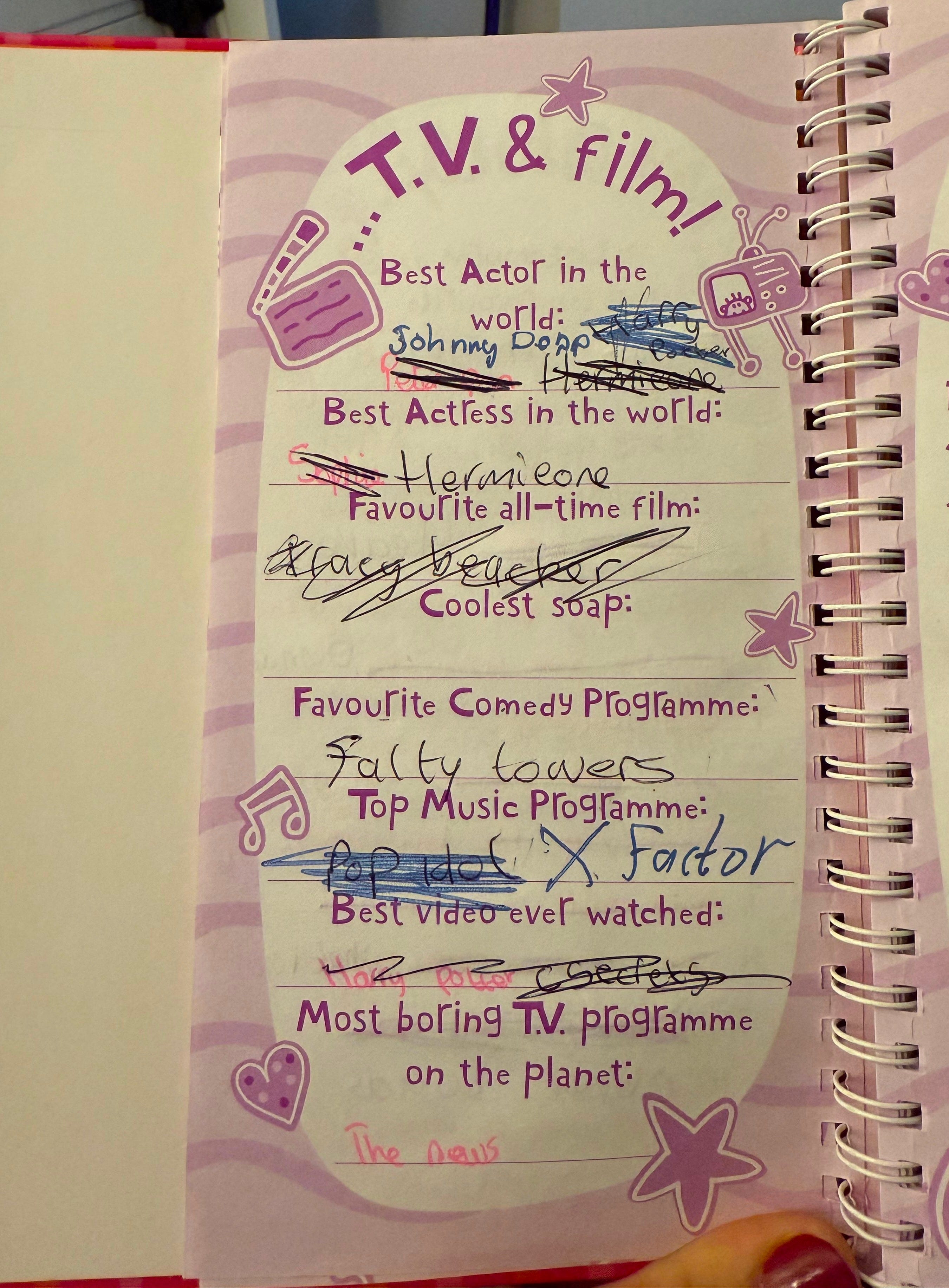
Yes, I am still hopelessly indecisive, and yes, I’m as confused as you are by “Falty Towers” being my favourite comedy (and seemingly the only thing I was sure of??).
When I think back to that time of my life, aside from hating the news - #boring - and obsessing over Shayne Ward and Gareth Gates, something I remember so clearly is TV being really, really funny. I remember silly, laugh-out-loud comedies, unafraid of not being smart or meaningful. Characters that might not be “relatable”, but that I wanted to keep coming back to, week after week.
Granted, I was mainly watching children’s TV shows; a combination of Tracy Beaker, Dick & Dom in da Bungalow, The Queen’s Nose, Kerching and My Parents Are Aliens (not after they changed the mum though - fuming), but memories of these shows live rent-free in my brain and the brains of my friends. And I don’t think it’s because they were exceptionally smart or full of depth (many of them were), but because the characters were inherently funny and the storylines didn’t shy away from humour, no matter how dark they also went.
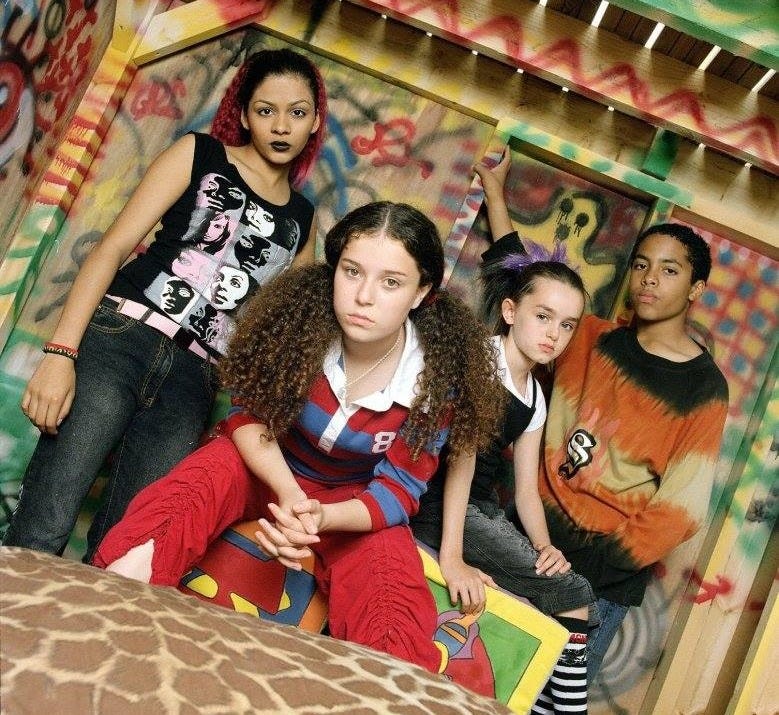
Today, our social media feeds are full of Y2K fashion inspo, Devil Finger memes and Tracy Beaker bog off compilations. There’s a nostalgia for that era that is being reflected back at us in almost every facet of popular culture, including film & TV. It’s easy to emulate the fashion of different eras by going to a vintage shop or raiding your parents’ wardrobe. Similarly, all it takes is a few clicks and you’re listening to 90s R&B. We’re a generation obsessed with feeling nostalgic, not just remembering times gone by but actually surrounding ourselves with the textures and the sounds that made up our childhood.
We’ve seen the screen industry’s desperate struggle to drag millennials away from their Gilmore Girls reruns with more new shows and streaming platforms than ever before. But it seems like no matter how sophisticated the equipment or big the budget, nothing is hitting the spot quite like it used to. This is partly down to sheer content fatigue, but I also get the sense that we’ve been scrambling to create shows that feel bigger, better and newer for so long, that we’ve stopped thinking about what actually works.
For almost as long as I’ve worked in the industry, and definitely as long as I’ve been in comedy, there’s been the pervasive narrative that sketch is dead. Silly isn’t cool anymore unless it’s disguised as smart, and the focus has been on making something new than making people laugh. But over the last year there’s been a slight shift in the tide, one that is reflected in Channel 4’s commission of Mitchell and Webb Are Not Helping (available to watch as of 5th September).
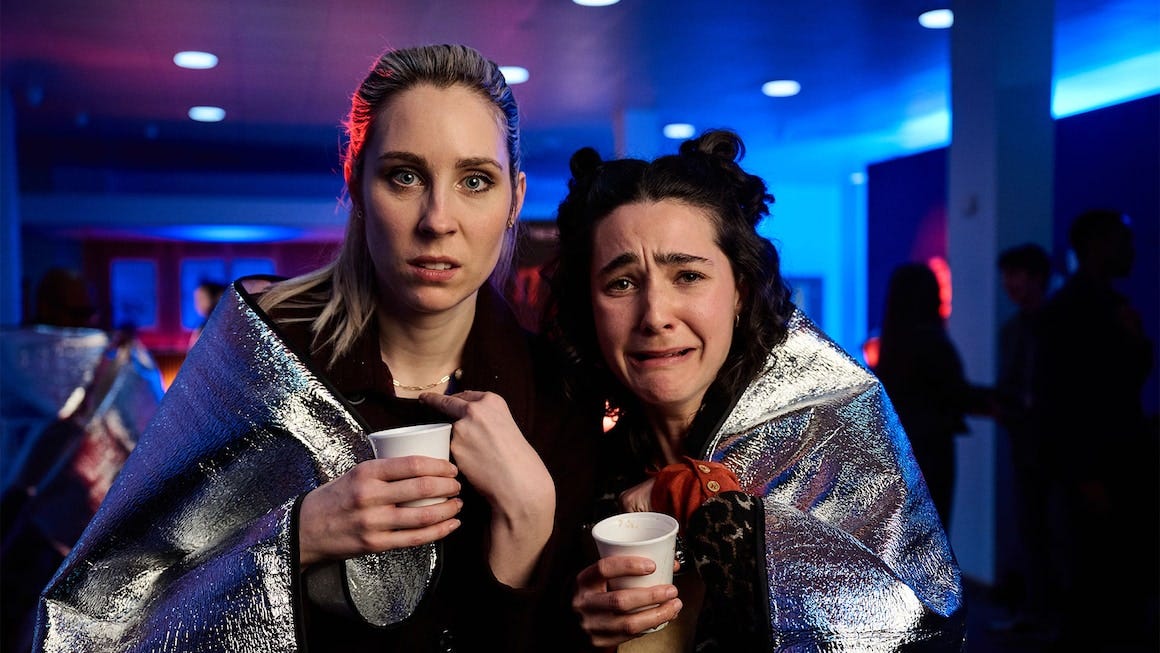
To me, the commission of a series that is entirely sketch comedy signals not just a desire for change, but a longing for the past. For a time when TV comedy had, first and foremost, to make us laugh.
Three episodes in to the new series and there is something immensely comforting about this kind of format. It feels somehow less pressured. There are characters and sketches that work really well and there are others that don’t quite land. And that’s OK. It feels free and fun in a way that I don’t think we’ve seen on our screens since Stath Lets Flats. It’s not polished, but it is playful.
That playfulness offers space for the kind of observational humour that is so unique to sketch comedy. It’s also inherent to the human condition, this desire to observe. Sketch comedy might have been absent from our TV screens in the last ten years, but it’s been more rife than ever on social media. That TV commissioners are recognising that feels hopeful because it signals a degree of openness - a willingness to at least try and take a risk or two, here and there.
That’s not to say that the commissioning landscape for TV comedy is an easy place to be right now. There’s definitely still resistance, and it says a lot that the only way to get something like this made was with two white men at the helm. Brilliant, smart and funny white men, I hasten to add, but still the “trusted” white men that have unfairly dominated our screens for too long now. But, if that’s what it takes to pave the way for other young comedians - which the show does well with the inclusion of performers like Lara Ricote - amongst the more experienced Kiell Smith-Bynoe and Stevie Martin, then that’s what it takes.
I’m looking at the whole thing as a positive step forward, not driven by bigger budgets or more “sophisticated” storytelling, but by an acknowledgement that sometimes, to move forward, you have to look back. What goes around comes around and all that. Thanks to Justin Timberlake for that one and thank you to my mum for keeping every single item of clothing she’s ever owned!